Why Vulnerability Management Matters
Vulnerability management helps identify and address security gaps before they can be exploited, reducing risks and enhancing overall protection. Below are the key benefits of incorporating vulnerability management into your cybersecurity program.
Proactive Notifications
Proactively notified of any existing vulnerabilities to address risks before they’re exploited.
Reports
Receive reports on unapproved software installations and any new devices connecting to your network.
Alerts
Additional alerts for new software applications for enhanced oversight and control.
How CIRRUS Protects You
When it Comes to Vulnerability Management


Vulnerability & Configuration Scanning
CIRRUS Vulnerability Management provides continuous scanning to detect vulnerabilities and misconfigurations across your entire environment.
Asset Discovery
Identify both known and unknown devices on your network, ensuring nothing slips under the radar.
Network Hardening
Improve security by addressing vulnerabilities stemming from both external threats and internal employee behaviors.
Proactive Alerts
Get real-time alerts for unapproved software installations and newly connected devices, ensuring immediate action can be taken.
Comprehensive Reporting
Detailed, actionable reports on vulnerabilities, unauthorized software, and network device activity help keep your systems secure and compliant.

Vulnerability Scanning for Mac, Windows, and Linux endpoints
CIS benchmark scanning for configuration recommendations

Endpoint, internal network, and external vulnerability scanning
What Our Clients Are Saying
“Our recent CIRRUS VAPT provided actionable information to help make our IT infrastructure more secure.”
IT Infrastructure Manager | Transportation
“Having StratusIP penetration tests and vulnerability scans as part of our security posture is helping our organization become even more secure.”
IT Director | Religious Institution
“The final report exceeded our expectations in terms of thoroughness and clarity. The CIRRUS platform’s ability to identify vulnerabilities and potential risks within our network was remarkable. The detailed breakdown of each identified issue and a clear assessment of its severity provided us with a comprehensive understanding of our security posture.”
Convention Center, Single Location
Director of IT, HospitalityTrending Resources
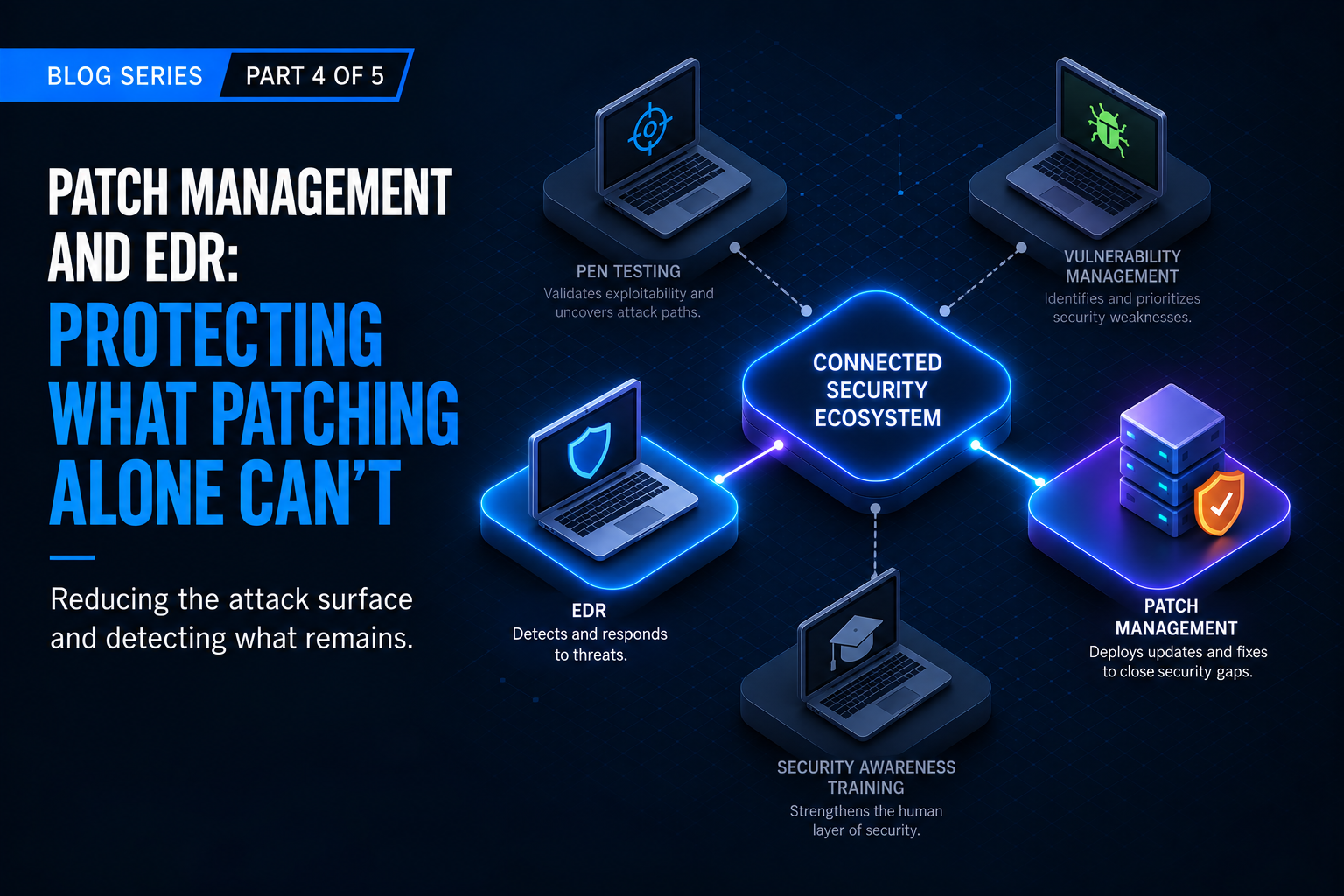
Author: George Klein What Happens When You Can’t Patch Everything? In the previous post in our Breaking Down Security Silos […]

By David Dlug Why Unpatched Legacy Software Is Still a Top Attack Vector Meta Description: Learn why unpatched legacy software […]

By Jason Zanetti For good reason, multi-factor authentication (MFA) has become a foundational cybersecurity control. It adds another layer of […]
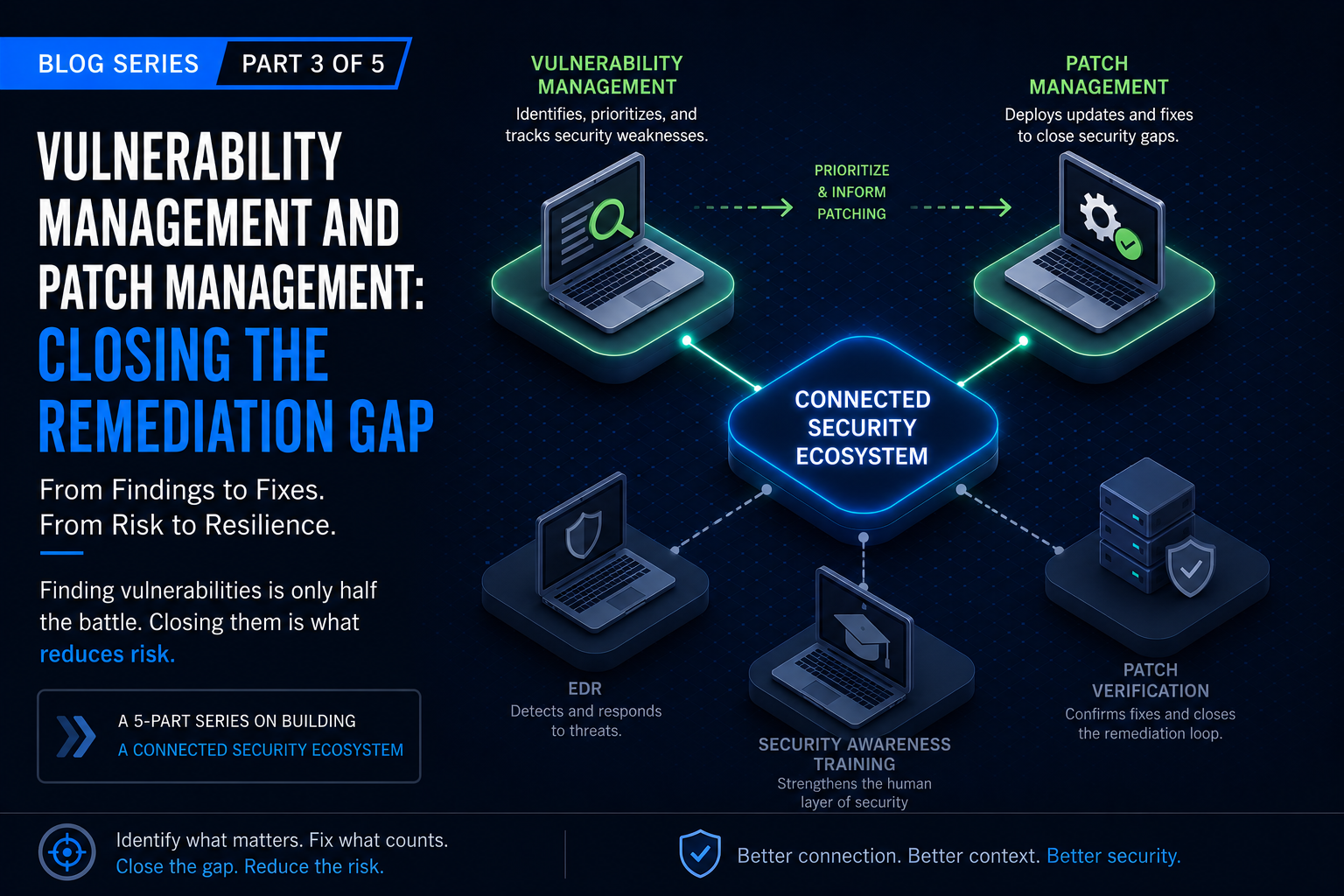
By Trevor Talkowski In the previous post in our Breaking Down Security Silos series, we explored how penetration testing and […]

By Will Colleran You Can’t Protect What You Don’t Understand As organizations mature their cybersecurity programs, one conversation comes up repeatedly. Leadership […]
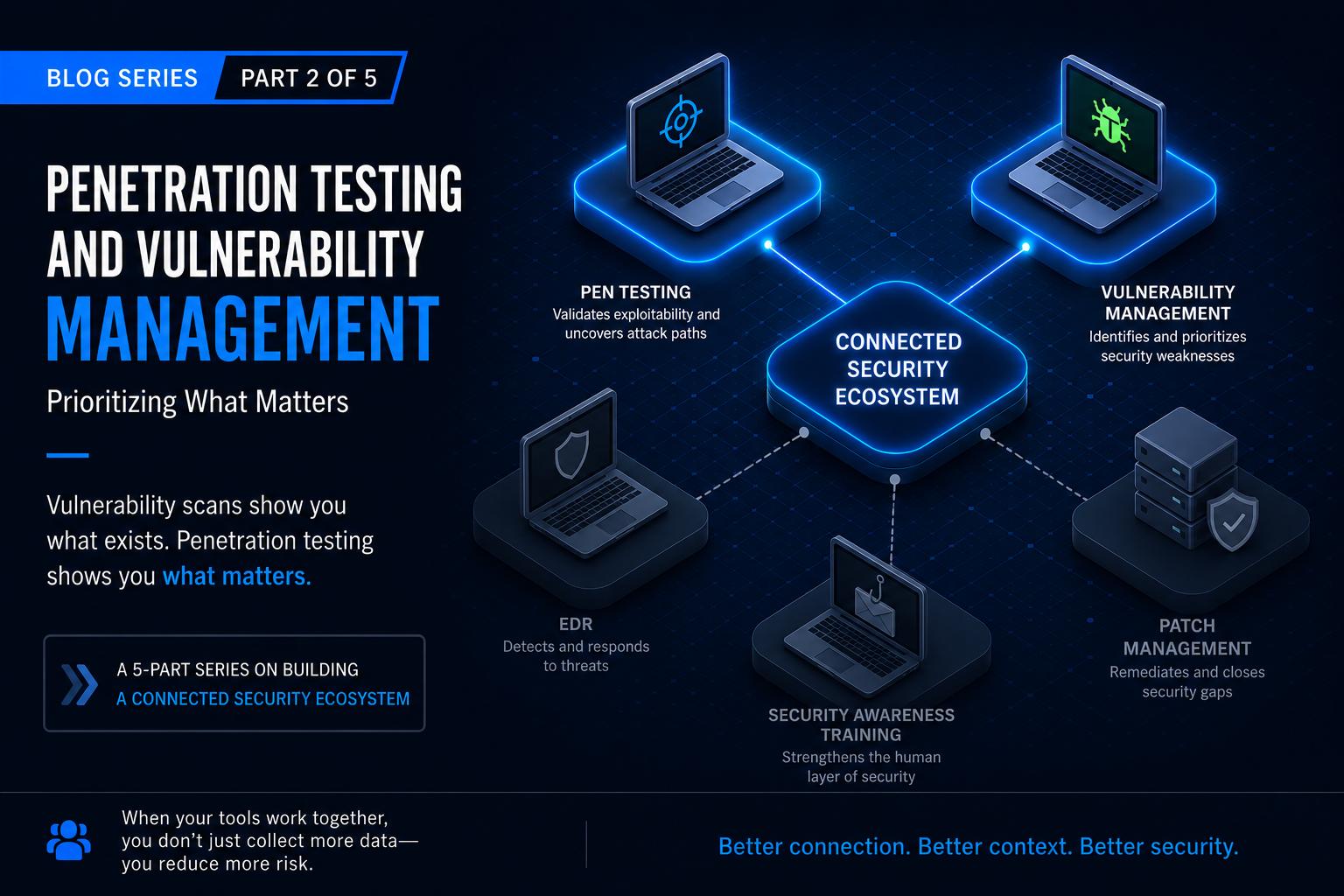
By Diamante Cherry In the first post of this series, we discussed why security tools are most effective when they […]

From the Field: Sales Insights for SMB IT Leaders Insights from the cybersecurity conversations we’re having every day with SMB IT leaders. […]
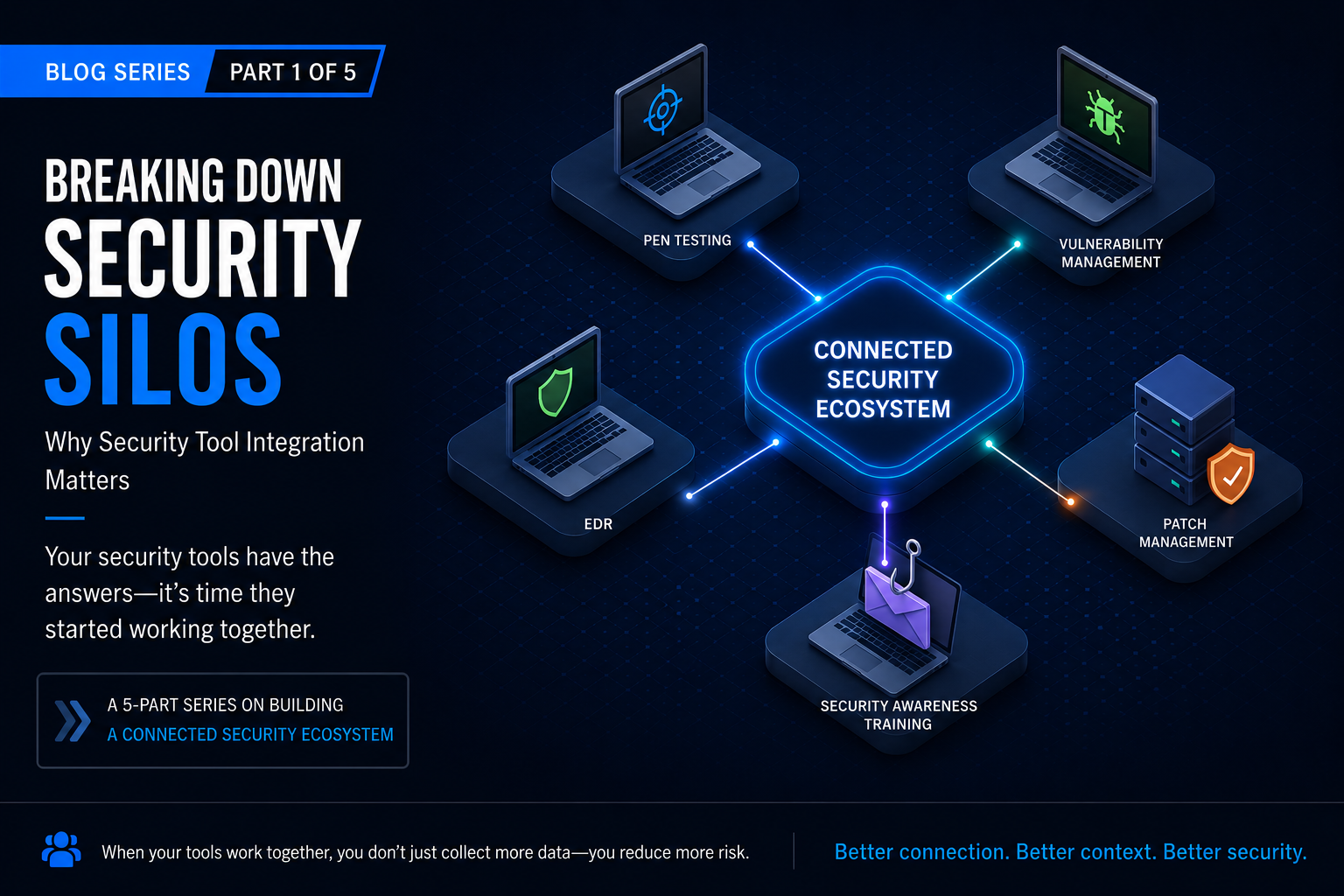
By Anthony Siravo From Building a Security Program to Connecting It In our previous series, we explored the foundational components of a […]