Risk assessment identifies vulnerabilities and compliance gaps, helping to safeguard sensitive data and mitigate potential threats. Below are the key benefits of conducting regular risk assessments.
Identify sensitive data across systems with automated scans.
Detect vulnerabilities and threats as they arise.
Stay aligned with GDPR, HIPAA, CCPA, and other regulations.
Save resources with automated processes.
Focus on the highest-impact risks with dynamic scoring.
Address risks early to prevent breaches and compliance issues.
Sensitive data is categorized by type, location, and risk level, streamlining management and enhancing security efforts.
Detailed, customized reports are provided for both leadership and technical teams, offering clear, actionable insights.
Data policies are implemented and maintained to ensure alignment with cybersecurity standards and compliance requirements.
Vendors and partners are evaluated for potential security gaps, keeping the supply chain as secure as internal systems.
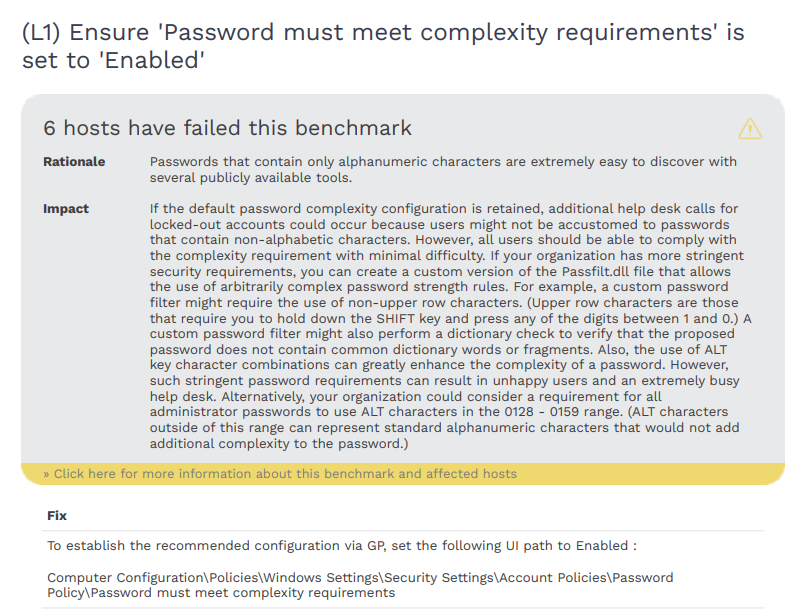
“The final report exceeded our expectations in terms of thoroughness and clarity. The CIRRUS platform’s ability to identify vulnerabilities and potential risks within our network was remarkable. The detailed breakdown of each identified issue and a clear assessment of its severity provided us with a comprehensive understanding of our security posture.”
By Chris Stavalone Throughout this series, we have focused on the technical and operational components of a mature security program: identifying risk, […]
By Jason ZanettiThe Misconception: “We Already Know What a Pen Test Will Find” One of the most common objections IT leaders […]
By George Klein Why Configuration Management Matters in a Security Program In the previous posts in this series, we established that risk assessments define what matters and vulnerability […]
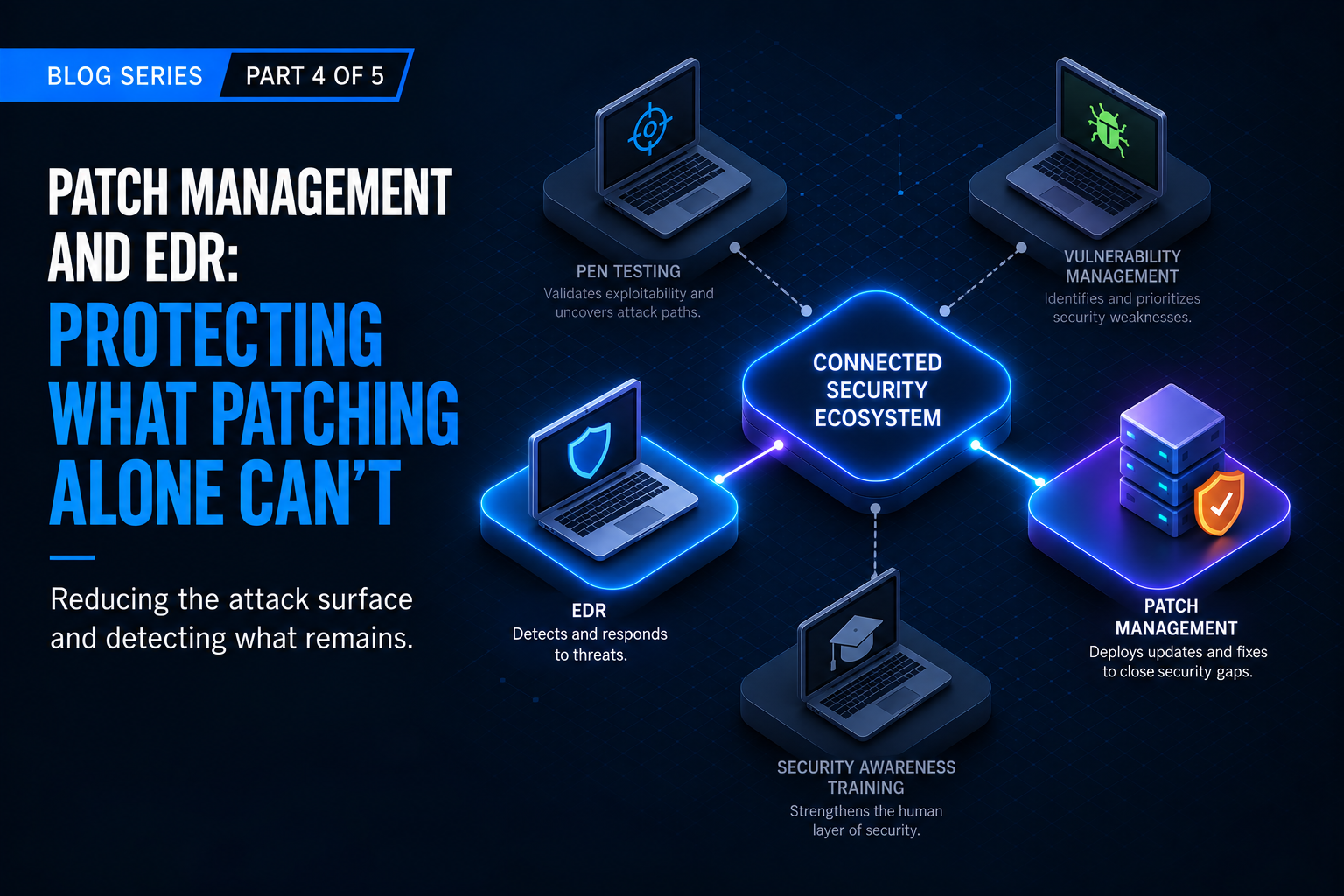
By Stephen StemmeMost IT leaders understand the importance of patch management. Applying security updates is one of the most effective […]
By Trevor Talkowski Why Vulnerability Management Matters in a Security Program In the previous post in this series, we discussed how risk assessments establish the foundation […]
By Will ColleranWhy Vulnerabilities Are Easy to Find but Hard to Prioritize Most IT leaders today are not struggling to find vulnerabilities. Security tools […]
By Diamante Cherry Why Risk Assessment is the Starting Point of Any Security Program In the previous post, we established that a security program is not defined […]
By David Dlug Why Credential Theft Is Still One of the Biggest Risks for SMBs When cybersecurity incidents make headlines, they often focus […]